

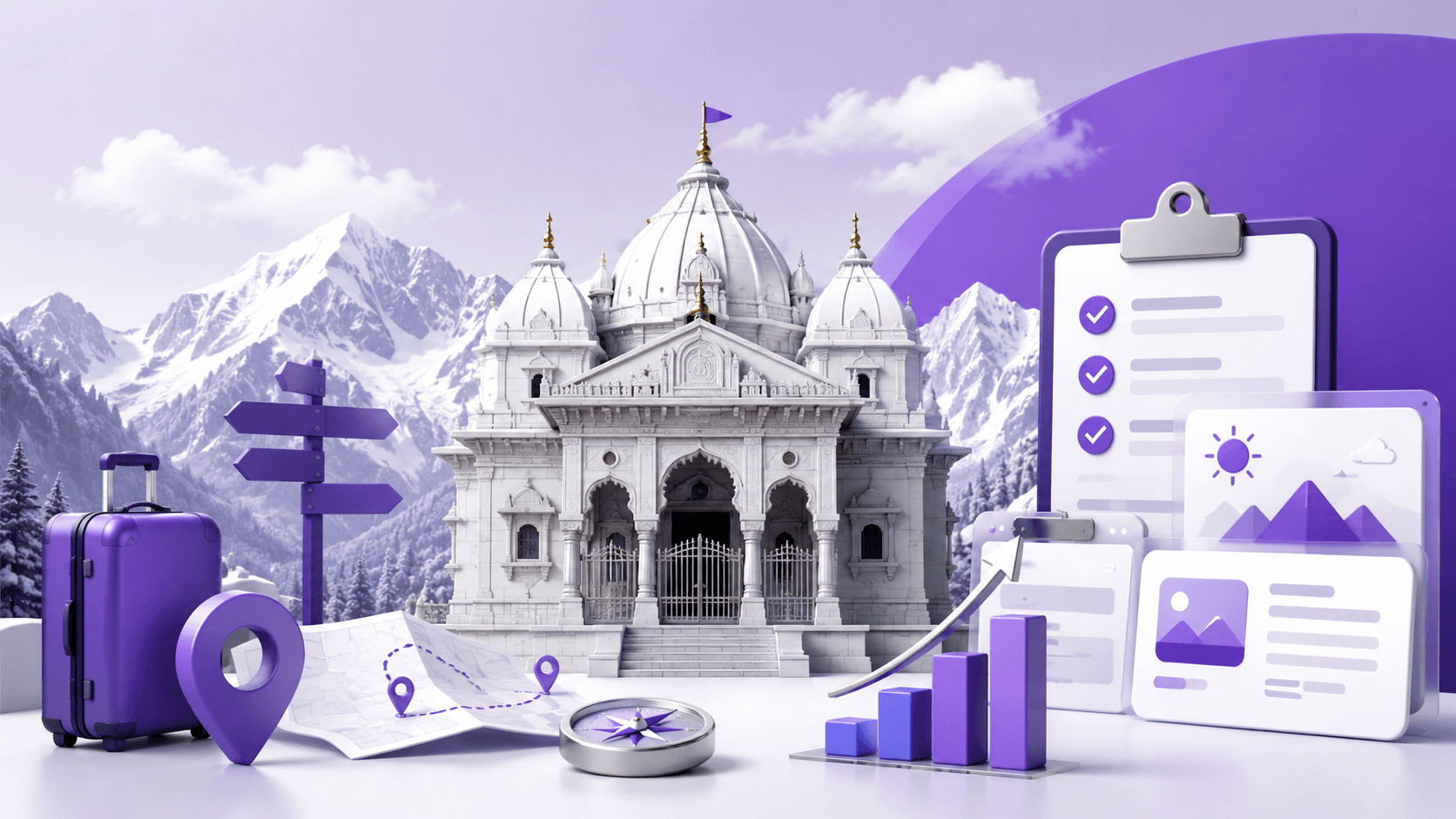
Gangotri is one of the most sacred pilgrimage destinations in Uttarakhand and an important stop in the revered Char Dham Yatra. This gangotri travel guide is designed to help pilgrims and travelers plan a comfortable and meaningful visit to the holy Gangotri Temple. From the best time to visit and temple timings to accommodation, weather, and practical travel tips, this guide covers everything you need before beginning your spiritual journey.
Whether you are visiting for religious reasons or to experience the breathtaking Himalayan landscape, proper planning can make your trip safer, smoother, and more memorable.
About Gangotri Temple
Gangotri Temple is dedicated to Goddess Ganga and is believed to be the place where the sacred River Ganga descended to Earth after the penance of King Bhagirath. Located at an altitude of approximately 3,100 meters in the Uttarkashi district of Uttarakhand, the temple attracts thousands of devotees every year.
The temple is surrounded by snow-covered peaks, dense forests, and the flowing Bhagirathi River, creating a peaceful atmosphere that enhances the spiritual experience. Every visitor following a Gangotri Temple Guide will appreciate the significance of this sacred destination within the Char Dham circuit.
Best Time to Visit Gangotri Temple
A well-planned gangotri travel guide always begins with choosing the right season.
Summer Season (May to June)
This is considered the best time to visit. Pleasant weather, clear roads, and comfortable daytime temperatures make sightseeing and temple visits enjoyable.
Monsoon Season (July to August)
Heavy rainfall may cause landslides and road closures in the Himalayan region. Travelers should monitor weather updates before planning their journey during this period.
Autumn Season (September to October)
The post-monsoon months offer clear skies, scenic mountain views, and fewer crowds. Many experienced pilgrims consider this one of the ideal times to visit.
The temple usually closes after Diwali due to heavy snowfall and remains inaccessible throughout winter.
How to Reach Gangotri
Reaching Gangotri involves a scenic road journey through the mountains.
By Air
The nearest airport is Jolly Grant Airport in Dehradun. From there, travelers can continue by taxi or bus toward Gangotri.
By Train
The closest railway stations include Haridwar and Rishikesh, both offering good connectivity with major Indian cities.
By Road
Gangotri is well connected by road through Uttarkashi. Regular buses and private taxis operate from Haridwar, Rishikesh, and Dehradun during the pilgrimage season.
Pilgrims planning the complete Char Dham pilgrimage can consider the well-organized Chardham Yatra from Haridwar for a hassle-free spiritual journey.
Temple Timings and Darshan Information
A complete Gangotri Temple Guide should always include temple timings to help visitors plan their visit.
The temple generally opens early in the morning and remains open until evening with a break during the afternoon. Morning and evening aarti are among the most spiritually uplifting experiences for devotees.
Timings may vary slightly depending on the season and special religious occasions, so arriving early is recommended during peak pilgrimage months.
Essential Travel Tips for Visitors
Following these practical suggestions will help make your pilgrimage comfortable and safe.
Carry Warm Clothing
Even during summer, mornings and evenings can be quite cold due to the high altitude.
Stay Hydrated
The altitude may affect some visitors. Drink sufficient water and avoid excessive physical exertion immediately after arrival.
Walk Slowly
The reduced oxygen level at higher elevations can cause fatigue. Allow your body time to adjust.
Wear Comfortable Footwear
The temple surroundings and nearby attractions involve walking on uneven surfaces, making sturdy shoes a better choice.
Respect Local Customs
Dress modestly, maintain cleanliness, and follow temple guidelines during darshan and religious ceremonies.
Carry Cash
Although digital payments are becoming more common, cash remains useful for small shops, local transport, and donations.
Accommodation Options
Gangotri offers accommodation suitable for different budgets.
Pilgrims can choose from guest houses, budget hotels, dharamshalas, and government tourist rest houses. During the Char Dham season, rooms fill up quickly, so advance booking is strongly recommended.
Travelers looking for greater convenience often prefer organized pilgrimage packages that include transportation, accommodation, and sightseeing.
Places to Visit Near Gangotri
Besides the temple itself, several nearby attractions enhance your pilgrimage.
Bhagirath Shila
This sacred stone is believed to be where King Bhagirath meditated to bring Goddess Ganga to Earth.
Surya Kund
A beautiful waterfall located close to the temple, Surya Kund offers spectacular views and is a favorite photography spot.
Pandava Gufa
Located a short trek from Gangotri, this cave is associated with the Pandavas from the Mahabharata and offers peaceful surroundings.
Gaumukh Trek
Adventure enthusiasts and spiritual seekers often undertake the trek to Gaumukh, the glacier considered the origin of the River Ganga. Necessary permits should be arranged before beginning the trek.
Important Safety Tips
A reliable gangotri travel guide also emphasizes safety while traveling in the Himalayas.
Check weather forecasts before departure, especially during the rainy season. Start road journeys early in the morning to avoid late-evening mountain driving. Carry essential medicines, identity documents, power banks, and sufficient drinking water throughout the journey.
Senior citizens and travelers with respiratory or heart conditions should consult their doctor before visiting high-altitude destinations like Gangotri.
Why Visit Gangotri Temple?
Gangotri is more than a pilgrimage destination. It is a place where spirituality, mythology, and natural beauty come together. The peaceful temple atmosphere, majestic Himalayan scenery, and sacred Bhagirathi River create an unforgettable experience for every visitor.
Whether you seek blessings, wish to complete the Char Dham pilgrimage, or simply want to experience one of India’s most revered spiritual destinations, Gangotri offers a deeply enriching journey.
A carefully planned gangotri travel guide helps travelers enjoy a safe, comfortable, and spiritually fulfilling pilgrimage. From selecting the best season and understanding temple timings to preparing for high-altitude travel and exploring nearby attractions, proper planning ensures a memorable visit. By following this gangotri travel guide, pilgrims can focus on the spiritual significance of the journey while enjoying the remarkable beauty of the Himalayas. Whether it is your first visit or a return pilgrimage, this gangotri travel guide provides the essential information needed to make your Gangotri Temple experience truly rewarding.
Frequently Asked Questions
When does Gangotri Temple open every year?
Gangotri Temple usually opens on Akshaya Tritiya, typically during April or May, and closes after Diwali due to winter snowfall.
How many days are enough for a Gangotri trip?
Most travelers spend one to two days in Gangotri, depending on whether they plan to visit nearby attractions or continue the Char Dham pilgrimage.
Is Gangotri suitable for senior citizens?
Yes, many senior citizens visit Gangotri every year. However, they should travel at a comfortable pace, stay hydrated, and consult a doctor before visiting due to the high altitude.
Are hotels available near Gangotri Temple?
Yes. Budget hotels, guest houses, dharamshalas, and government accommodations are available during the pilgrimage season. Booking in advance is highly recommended.
What should I carry for a Gangotri Temple visit?
Carry warm clothing, comfortable walking shoes, essential medicines, identity proof, cash, water bottles, sunscreen, and rain protection if traveling during the monsoon season.
