

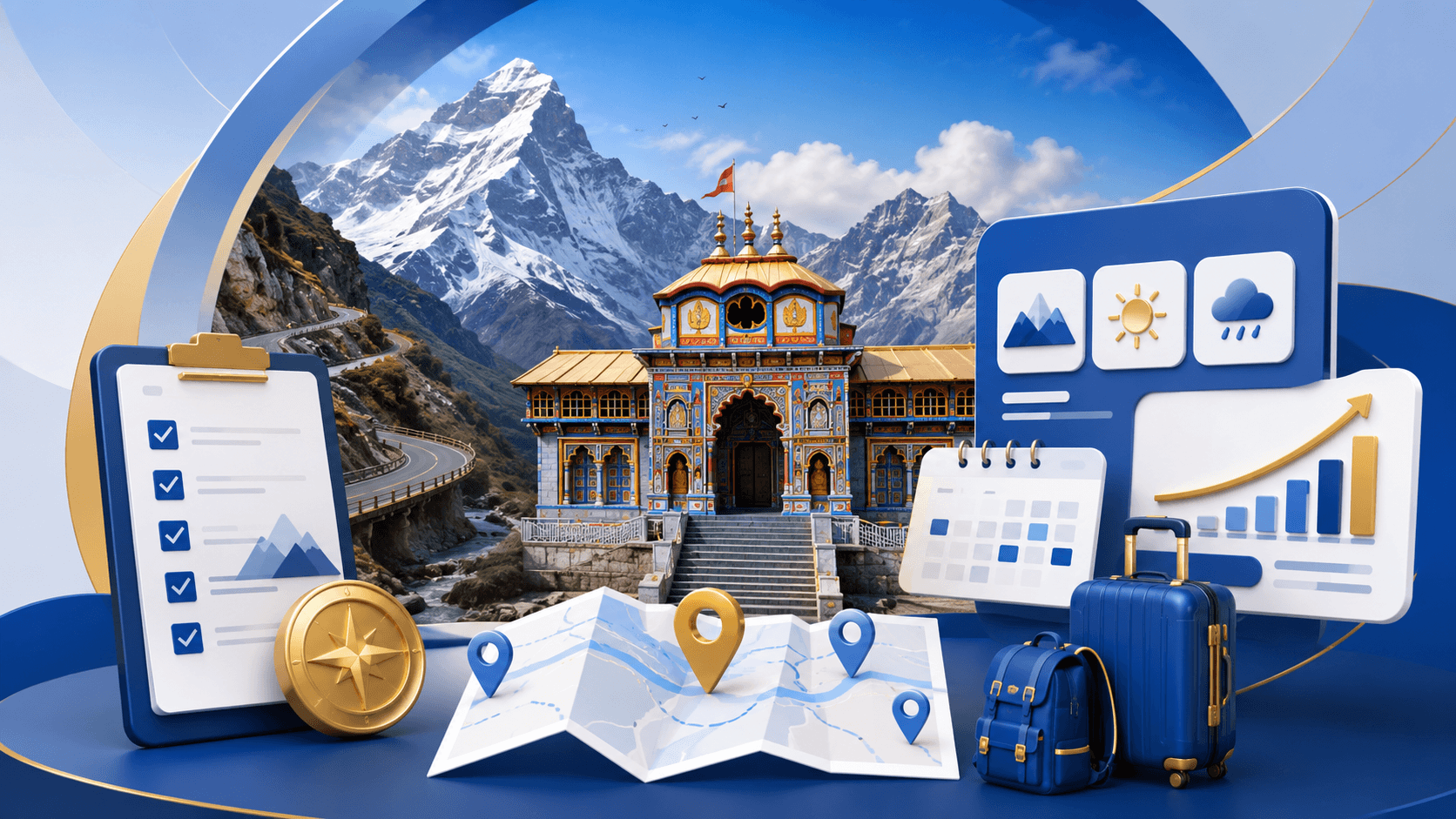
Planning a pilgrimage to Badrinath? Following the right badrinath travel tips can make your journey safer, more comfortable, and spiritually fulfilling. Located in the Chamoli district of Uttarakhand, Badrinath Temple is one of the holiest shrines dedicated to Lord Vishnu and forms an important part of the Char Dham Yatra. Whether you are visiting for the first time or returning for another pilgrimage, this Badrinath Temple Visit Guide covers everything you need to know before your trip.
Why Visit Badrinath Temple?
Badrinath Temple is nestled in the majestic Garhwal Himalayas at an altitude of approximately 3,300 meters. Surrounded by snow-capped peaks and the sacred Alaknanda River, the temple attracts thousands of pilgrims and travelers every year.
The spiritual atmosphere, breathtaking mountain scenery, and centuries-old traditions make the destination much more than a religious site. A well-planned journey allows you to focus on devotion while enjoying the natural beauty of Uttarakhand.
Best Time to Visit Badrinath Temple
One of the most important badrinath travel tips is choosing the right season.
The temple generally opens during late April or May and remains accessible until October or early November, depending on weather conditions. Summer months offer pleasant temperatures and clear roads, making them ideal for families and senior citizens.
The monsoon season brings heavy rainfall and possible landslides, so travelers should monitor weather updates before departure. Early autumn is another excellent time, with clear skies and comfortable temperatures.
Check Temple Opening Dates and Timings
The temple remains closed during winter because of heavy snowfall. Before planning your journey, verify the official opening and closing dates for the pilgrimage season.
Temple timings may vary slightly during festivals and special religious ceremonies. Visiting early in the morning usually offers a peaceful darshan experience with shorter queues.
Prepare for High Altitude
Since Badrinath is located at a significant elevation, visitors may experience mild altitude-related discomfort.
Among the most valuable badrinath travel tips is allowing your body enough time to adjust. Stay hydrated, avoid strenuous activities immediately after arrival, and walk slowly around the temple premises. Travelers with existing heart or respiratory conditions should consult their doctor before undertaking the journey.
Pack Smart for Changing Weather
Mountain weather can change rapidly, even during summer.
Carry:
- Warm jackets and sweaters
- Thermal wear for cold mornings and evenings
- Comfortable walking shoes
- Raincoat or waterproof jacket
- Woolen cap and gloves
- Personal medicines
- Sunscreen and sunglasses
- Water bottle
- Identity proof
Layered clothing helps you stay comfortable throughout the day as temperatures fluctuate.
Travel Route and Transportation
Most pilgrims begin their Char Dham pilgrimage from Haridwar or Rishikesh. From there, the journey continues by road through scenic mountain routes leading to Badrinath.
Road conditions generally remain good during the pilgrimage season, but mountain driving requires patience due to winding roads and occasional traffic congestion. It is advisable to start early in the morning for a smoother journey.
If you are planning a complete pilgrimage circuit, consider the well-organized Chardham Yatra from Haridwar for a convenient travel experience.
Respect Temple Customs and Dress Modestly
Following local traditions enhances the spiritual experience.
Wear modest and comfortable clothing suitable for a religious place. Remove footwear before entering the temple premises and follow instructions provided by temple authorities.
Photography may be restricted inside certain areas, so always respect local guidelines.
Maintaining silence and patience while waiting for darshan contributes to a peaceful atmosphere for all pilgrims.
Nearby Sacred Attractions
Your Badrinath Temple Visit Guide would be incomplete without mentioning nearby spiritual sites.
Tapt Kund
Located near the temple entrance, this natural hot water spring is considered sacred. Many devotees take a holy bath before offering prayers.
Brahma Kapal
This sacred spot on the banks of the Alaknanda River is known for performing ancestral rituals.
Mana Village
Situated just a few kilometers from Badrinath, Mana is often referred to as the last Indian village before the Tibetan border. Visitors can explore traditional Himalayan culture, local handicrafts, and stunning mountain views.
Charan Paduka
This revered trekking destination is believed to bear the footprints of Lord Vishnu. The short trek rewards visitors with panoramic Himalayan scenery.
Food and Accommodation
Accommodation options range from budget guesthouses and dharamshalas to comfortable hotels during the pilgrimage season.
Simple vegetarian meals are widely available near the temple. Since the destination is a sacred pilgrimage site, alcohol and non-vegetarian food are generally not available in the surrounding area.
Booking accommodation in advance is recommended during peak travel months to avoid last-minute inconvenience.
Health and Safety Tips
Following practical badrinath travel tips helps ensure a safe pilgrimage.
Carry enough prescribed medicines for the entire journey. Drink clean water regularly, eat freshly prepared food, and avoid overexertion while climbing steps or walking long distances.
Weather conditions in the mountains can change unexpectedly, so remain flexible with your travel schedule and allow extra time for delays.
Always keep emergency contact numbers and identification documents easily accessible.
Responsible Travel Practices
Protecting the Himalayan environment is everyone’s responsibility.
Avoid littering and use designated waste bins whenever available. Carry reusable water bottles to reduce plastic waste. Respect local traditions, wildlife, and natural surroundings throughout your visit.
Simple responsible travel habits help preserve the beauty and sanctity of Badrinath for future generations.
Frequently Asked Questions
When is the best time to visit Badrinath Temple?
The best time is between May and June and again from September to October when the weather is pleasant and road conditions are generally favorable.
How many days are required for a Badrinath trip?
Most travelers spend one to two days in Badrinath, although those completing the Char Dham pilgrimage usually follow a longer itinerary.
Is Badrinath suitable for senior citizens?
Yes. Many senior citizens visit every year. Proper medical consultation, gradual travel, warm clothing, and adequate rest make the journey more comfortable.
What should I wear during the temple visit?
Wear modest, comfortable clothing along with warm layers. Even during summer, mornings and evenings can be quite cold due to the high altitude.
Are accommodation facilities easily available?
Yes. Hotels, guesthouses, and dharamshalas are available during the pilgrimage season, although advance booking is highly recommended during peak months.
A well-planned pilgrimage allows you to experience the spiritual significance and natural beauty of Badrinath without unnecessary stress. By following these badrinath travel tips, preparing for mountain weather, respecting local customs, and planning your itinerary carefully, you can enjoy a peaceful and memorable journey. This Badrinath Temple Visit Guide is designed to help every pilgrim travel with confidence, making your visit to one of India’s most sacred temples both comfortable and deeply rewarding. Whether you are traveling with family, friends, or on a solo pilgrimage, keeping these badrinath travel tips in mind will help you make the most of your sacred Himalayan journey.
